
After I conquered my nosebleeds it was finally time to get in the water and start diving. After I completed my Advanced Open Water certification (without incident, hooray!) and mastered all the fish species I needed to learn I could finally start performing…wait for it…fish surveys!
What is a fish survey you ask. It’s a way of sampling the reef for fish abundance, size distribution and diversity and used as an indicator of reef health.
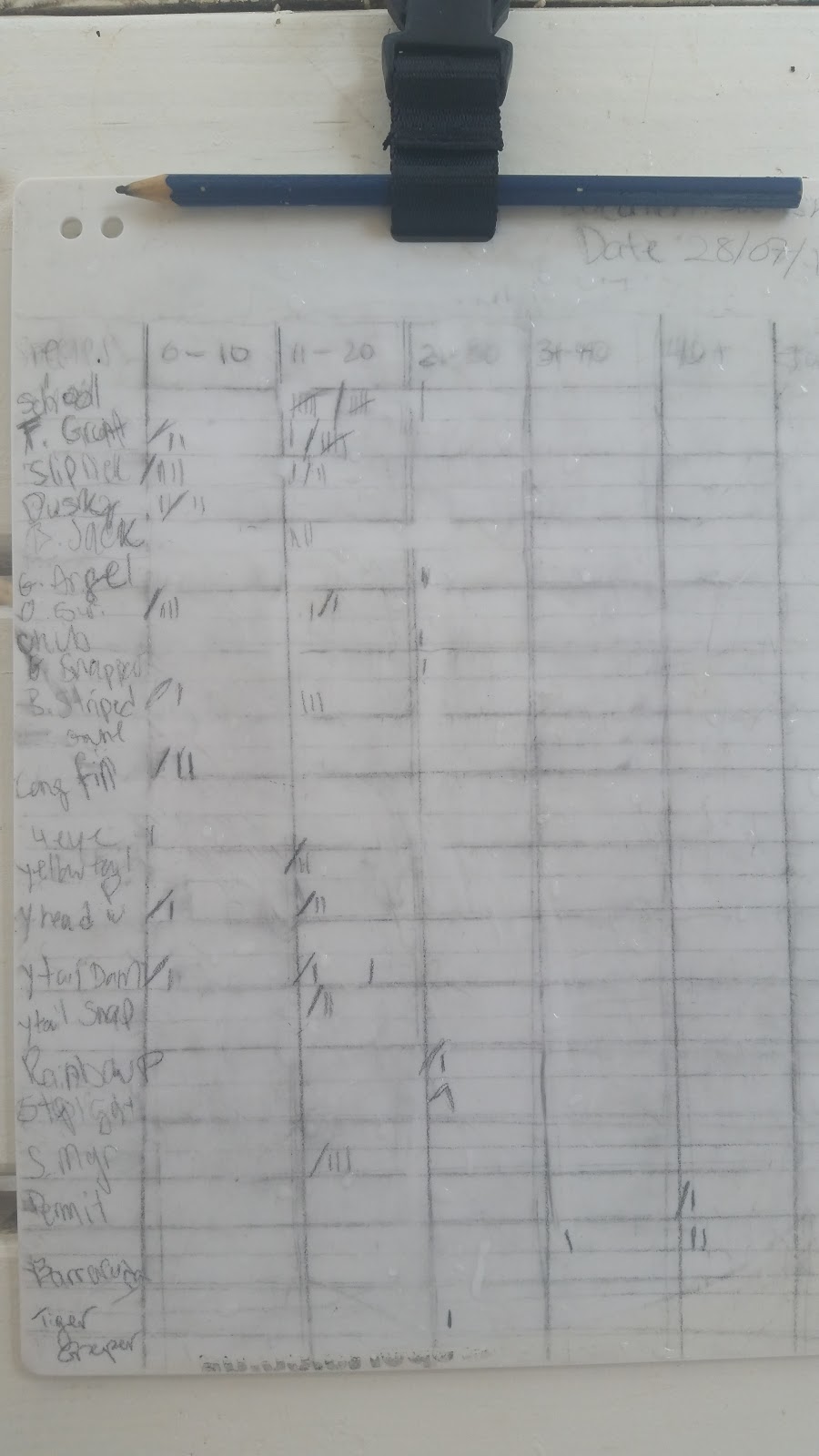
So first we roll out a transect line in one direction and then swimming along the tape measure we mark down how many of each type of fish we see, and mark the appropriate size range each fish fits into.
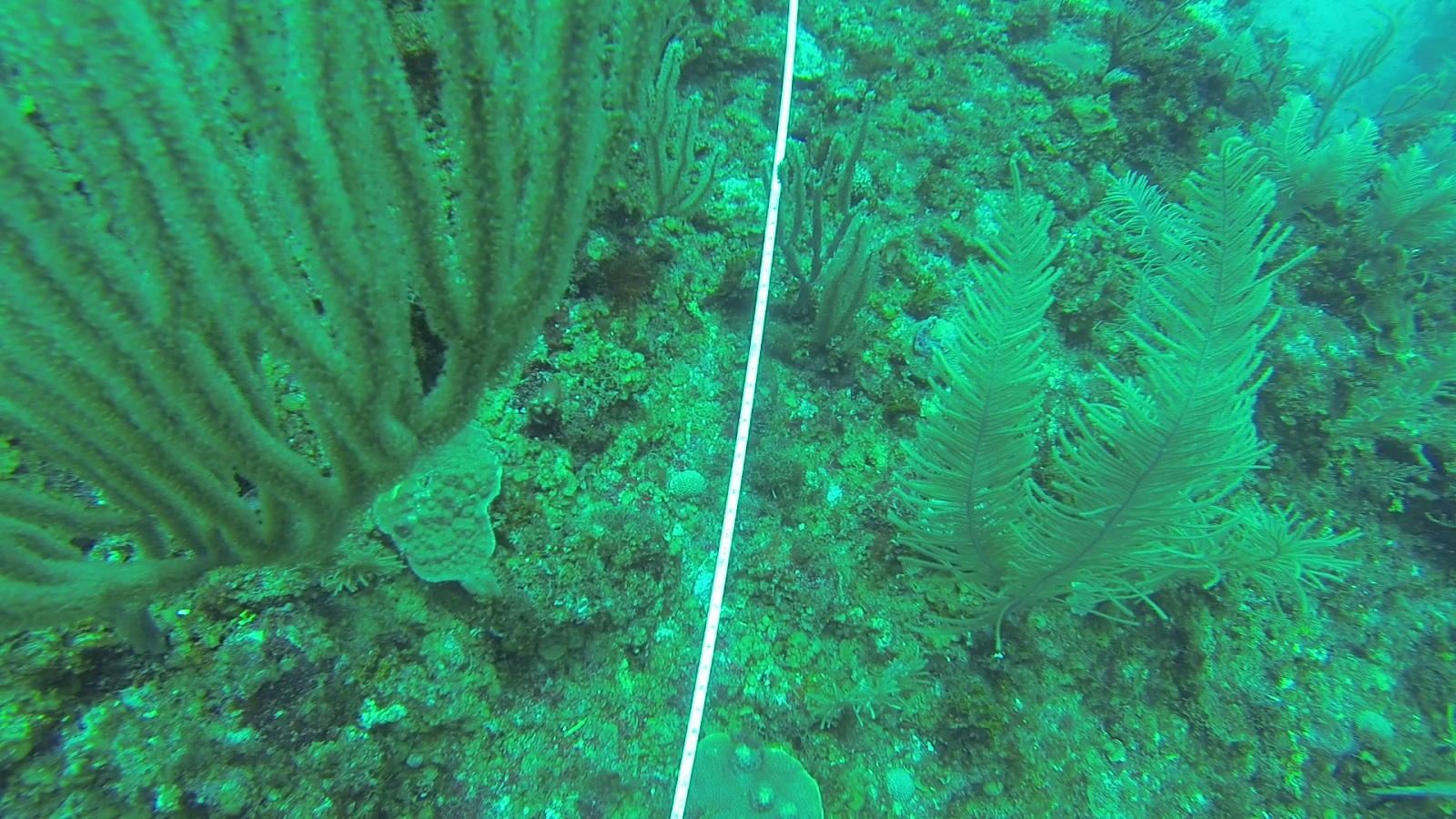
We continue to swim in one direction to minimize the possibility of counting the same fish twice, until we reach the end of the 30m tape, at which point we turn around and start counting juveniles. The purpose of this is that juveniles are much smaller and generally more abundant, and can look quite different than mature adult fish. To not overwhelm the researcher, the counting is broken into two steps that can still be performed without overlapping results.
The reef is broken into three zones and two reef types. We have the back reef which is everything from the shoreline to the reef, this area is visited more frequently and is generally shallower, and the fore reef which is everything beyond the wave break where the water gets much deeper and the open ocean begins.
Here’s a survey we did on the fore reef at a site known as Raggedy Anne. It’s one of our deeper sites, getting to about 20 m at our maximum depth.
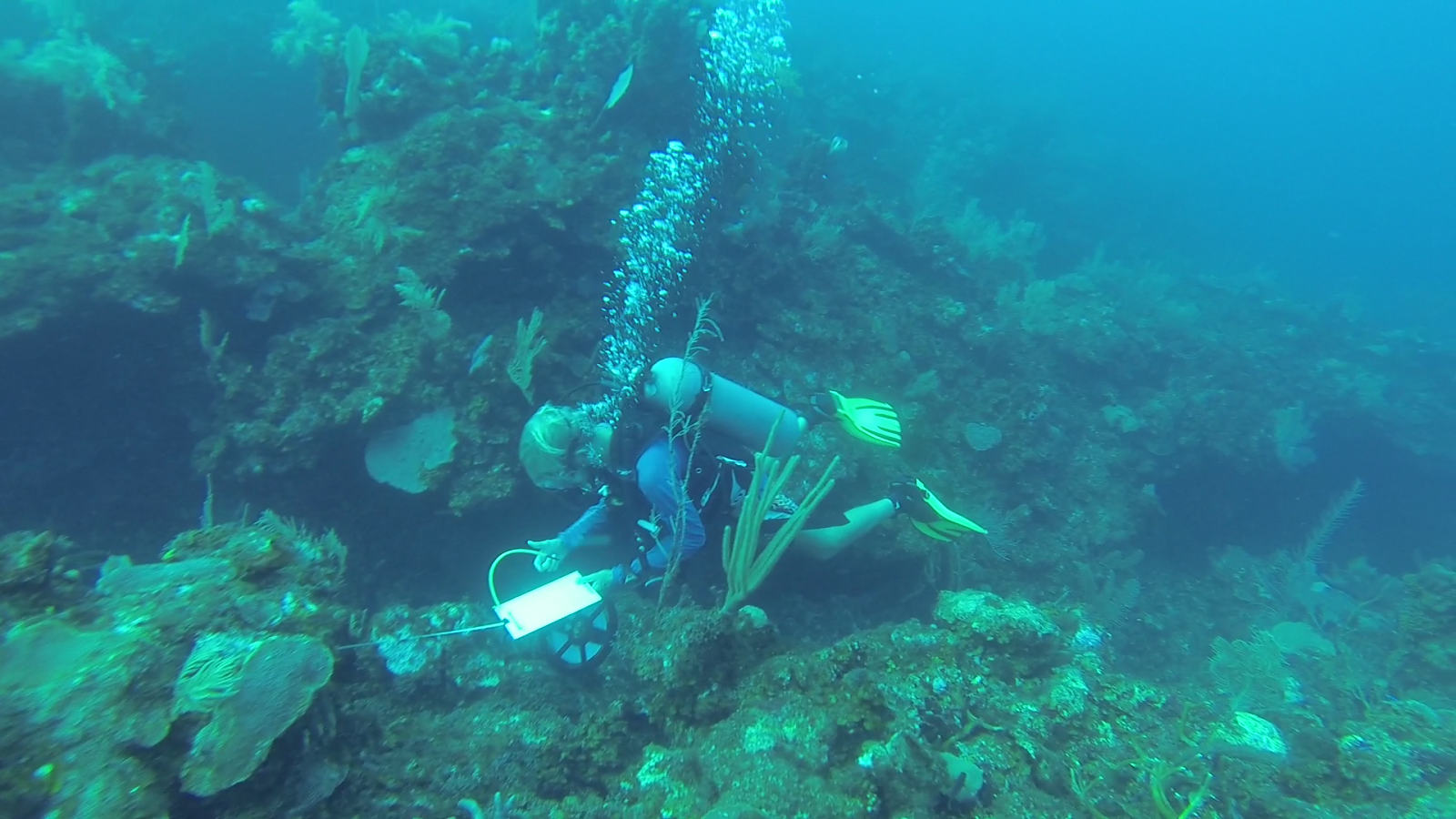
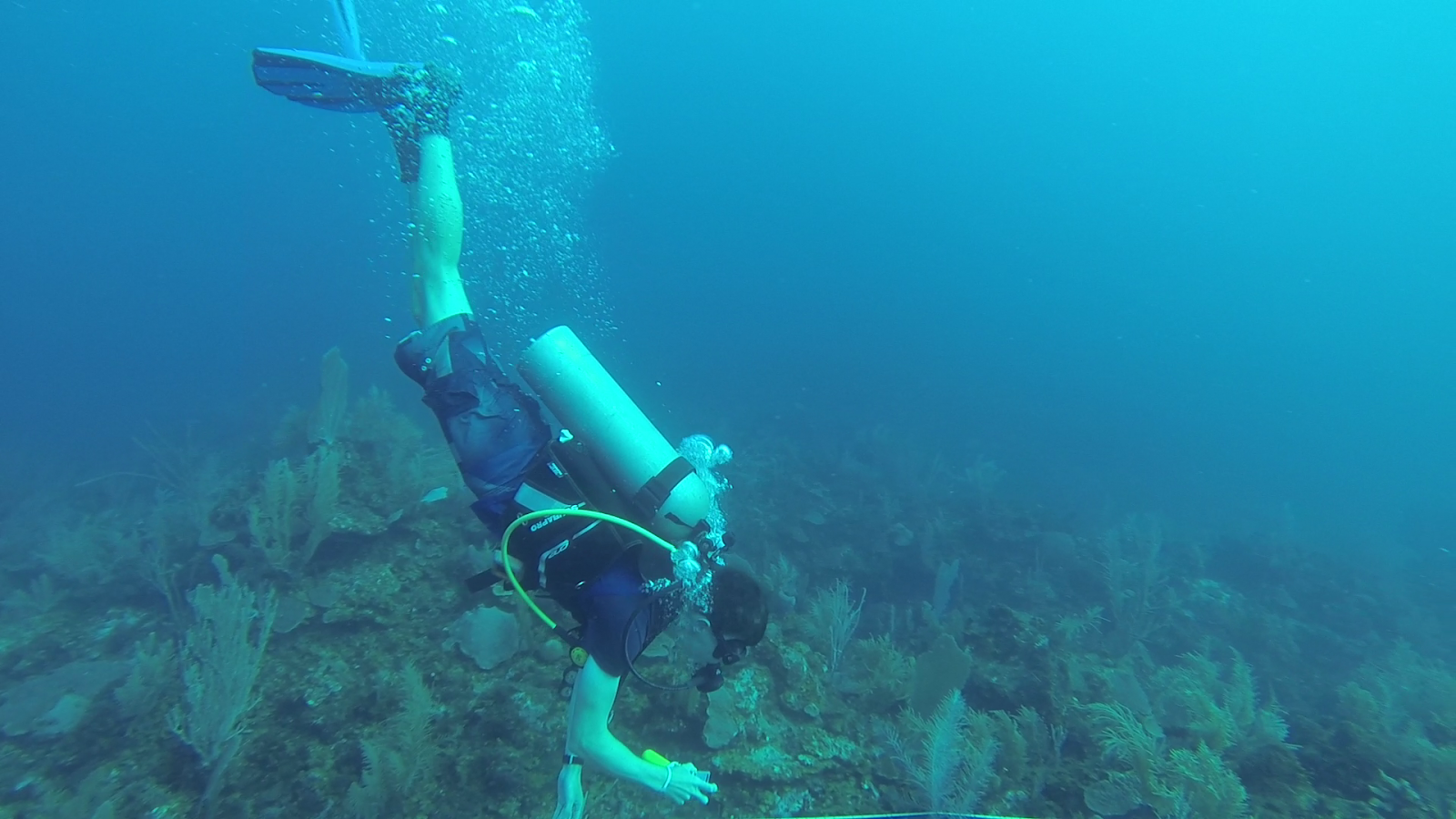
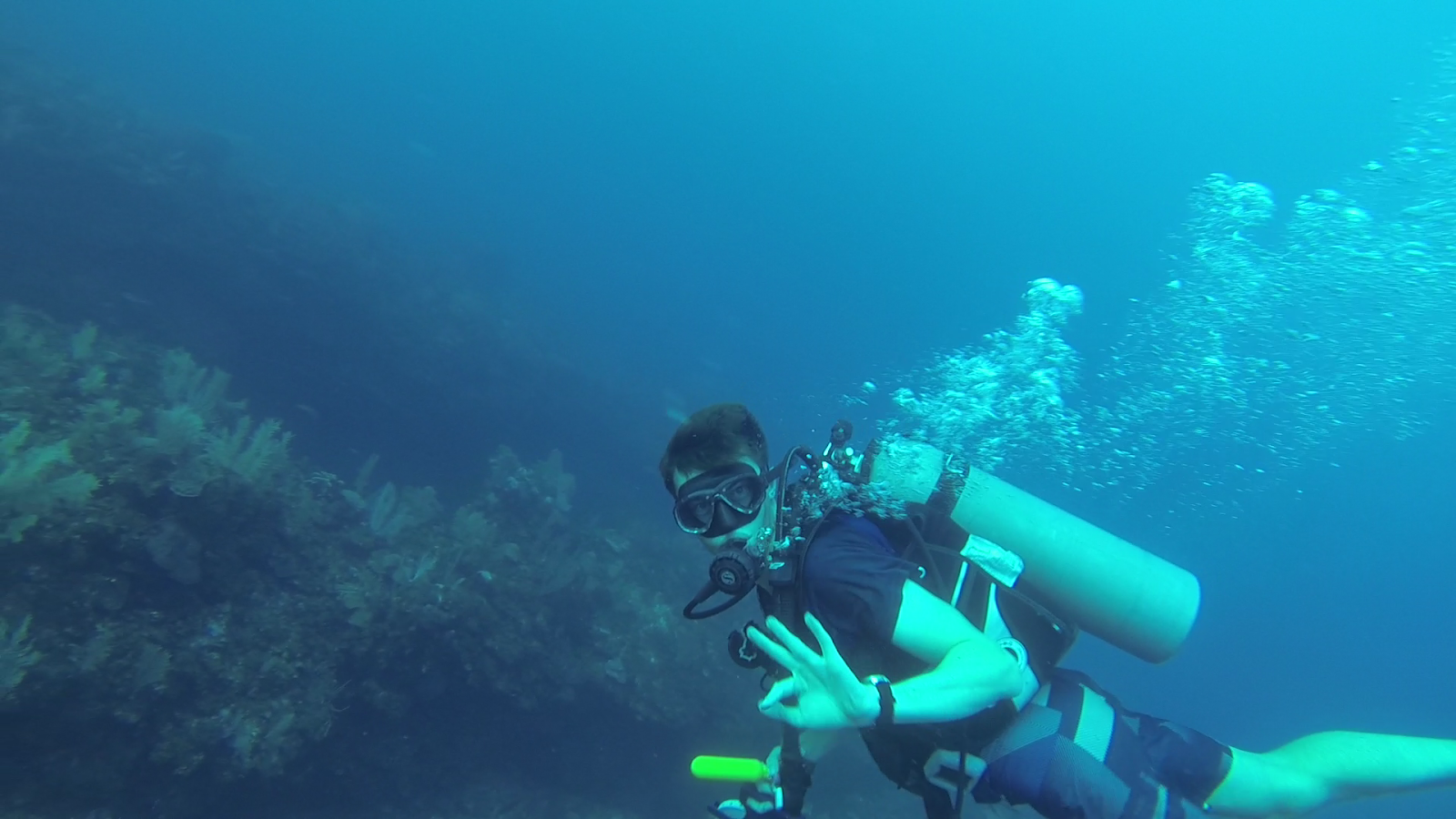
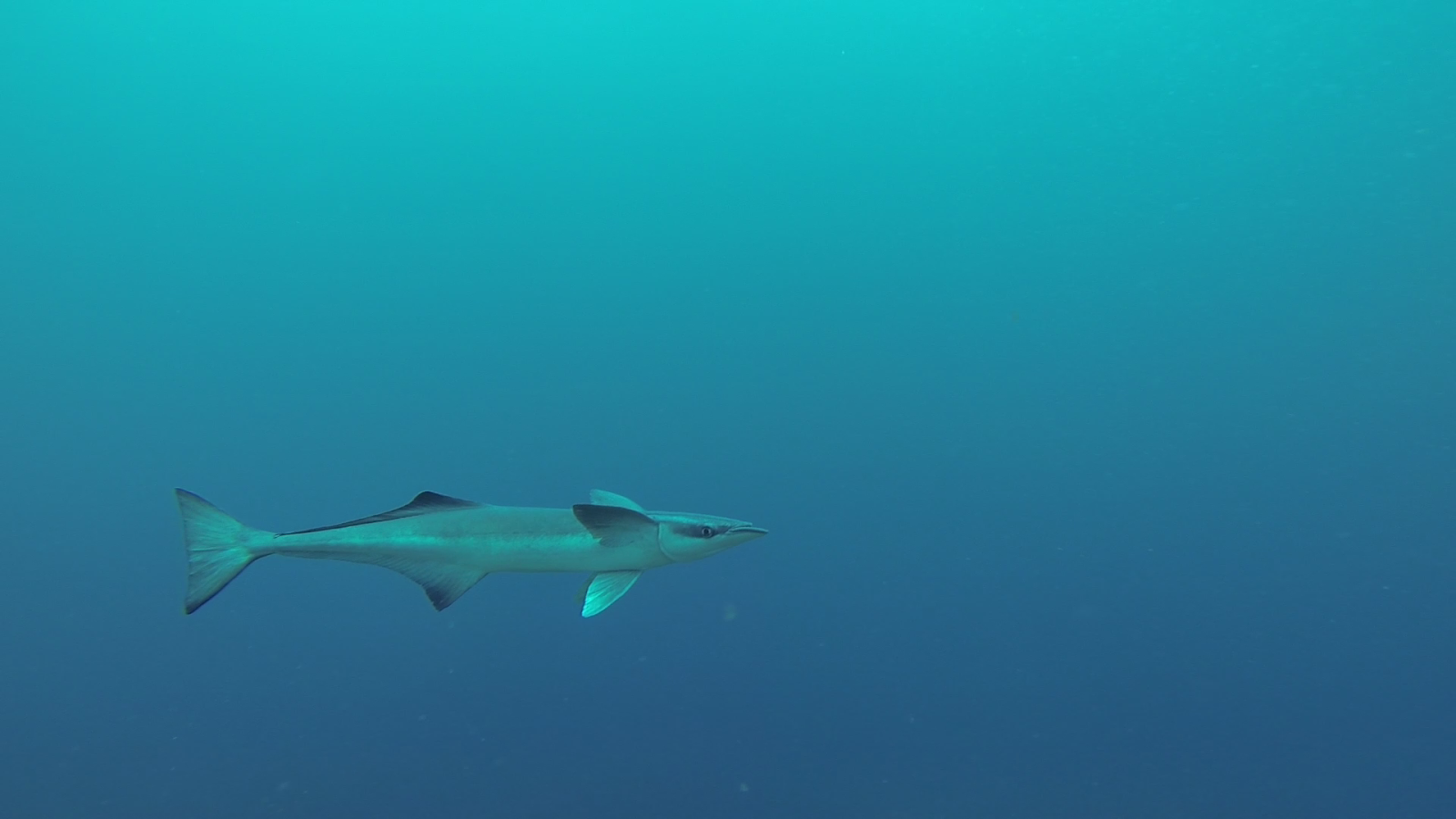
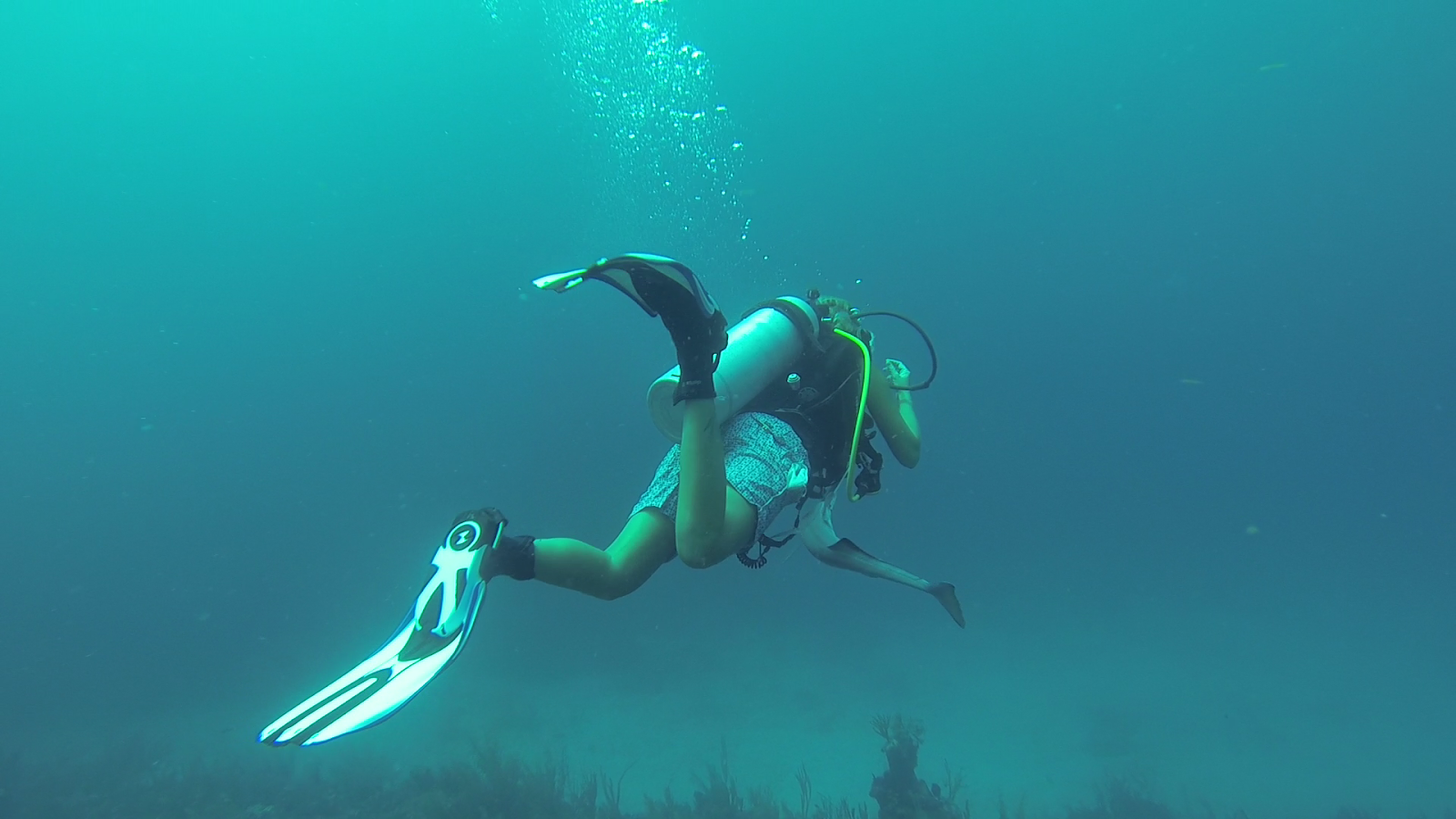
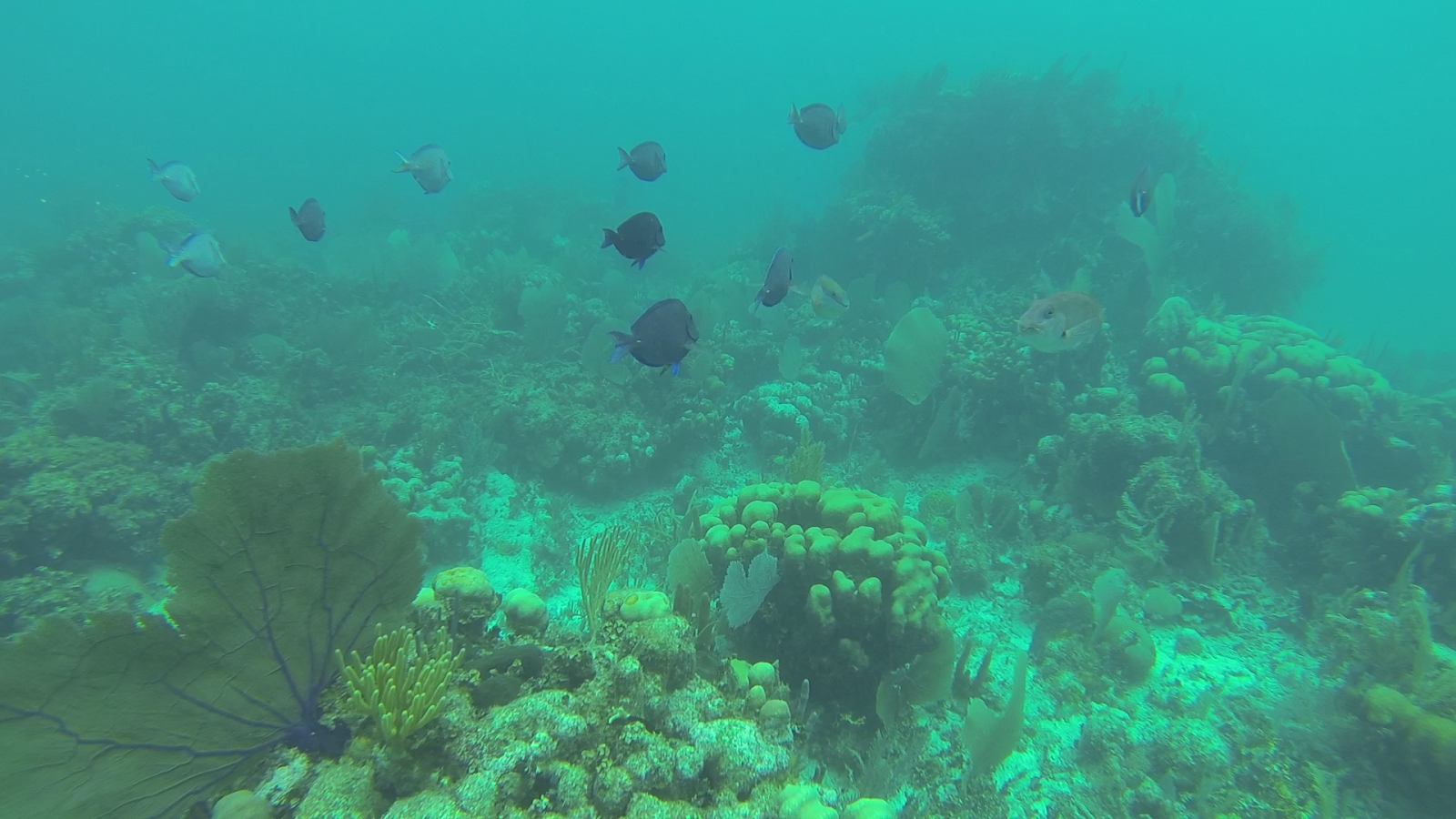
There were a couple of sites that were too shallow to dive, so we performed the surveys via snorkeling instead. Most of the pictures for this post were taken at a site dubbed the Swash which was a piece of the reef in the preservation zone, which meant that nobody was permitted to enter the site except for us and the fisheries department. That also meant that this site had the greatest amount of fish compared to the two other zones we surveyed, in diversity and abundance. Safe to say it was always a treat to visit the Swash.
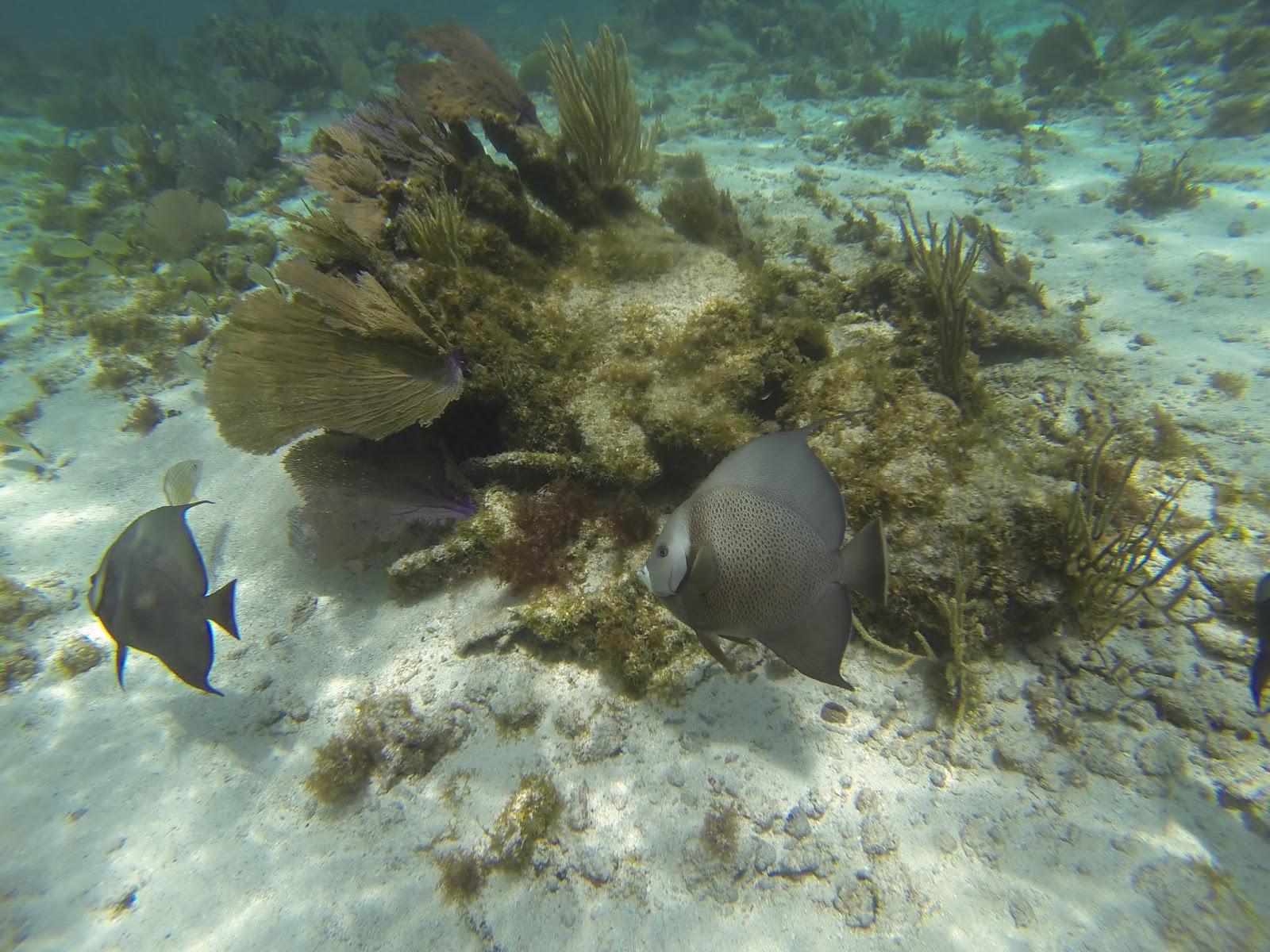
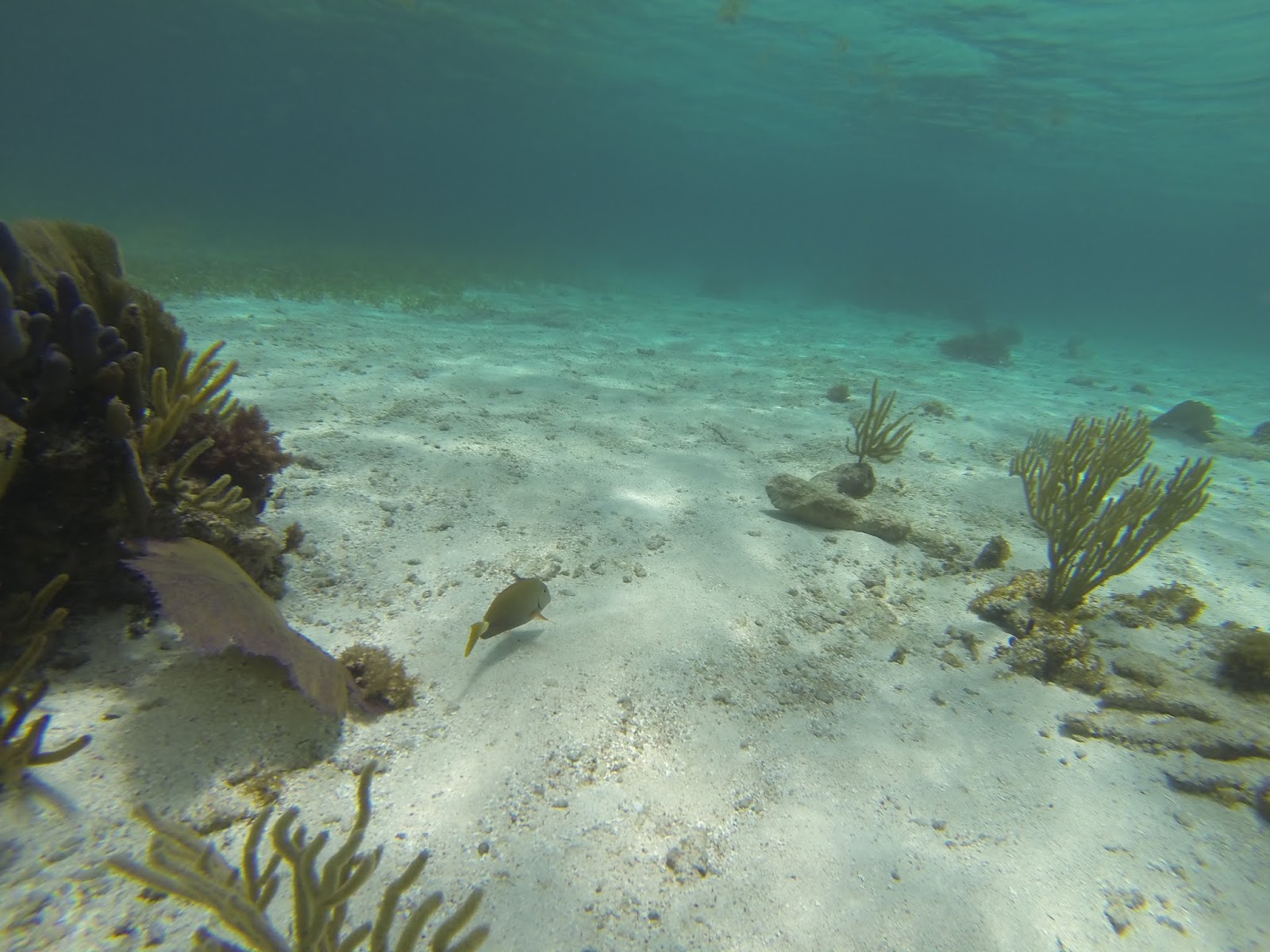
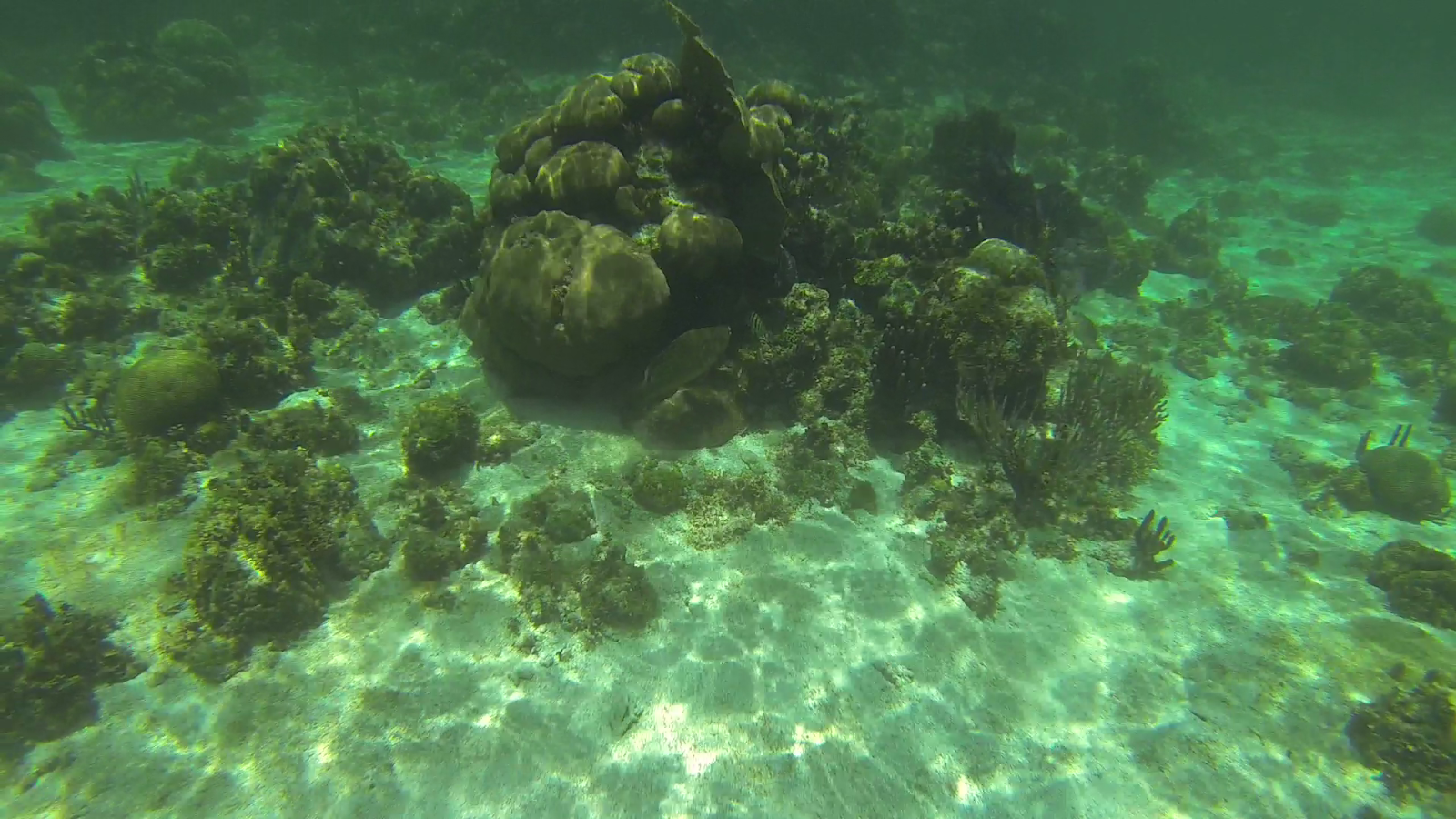
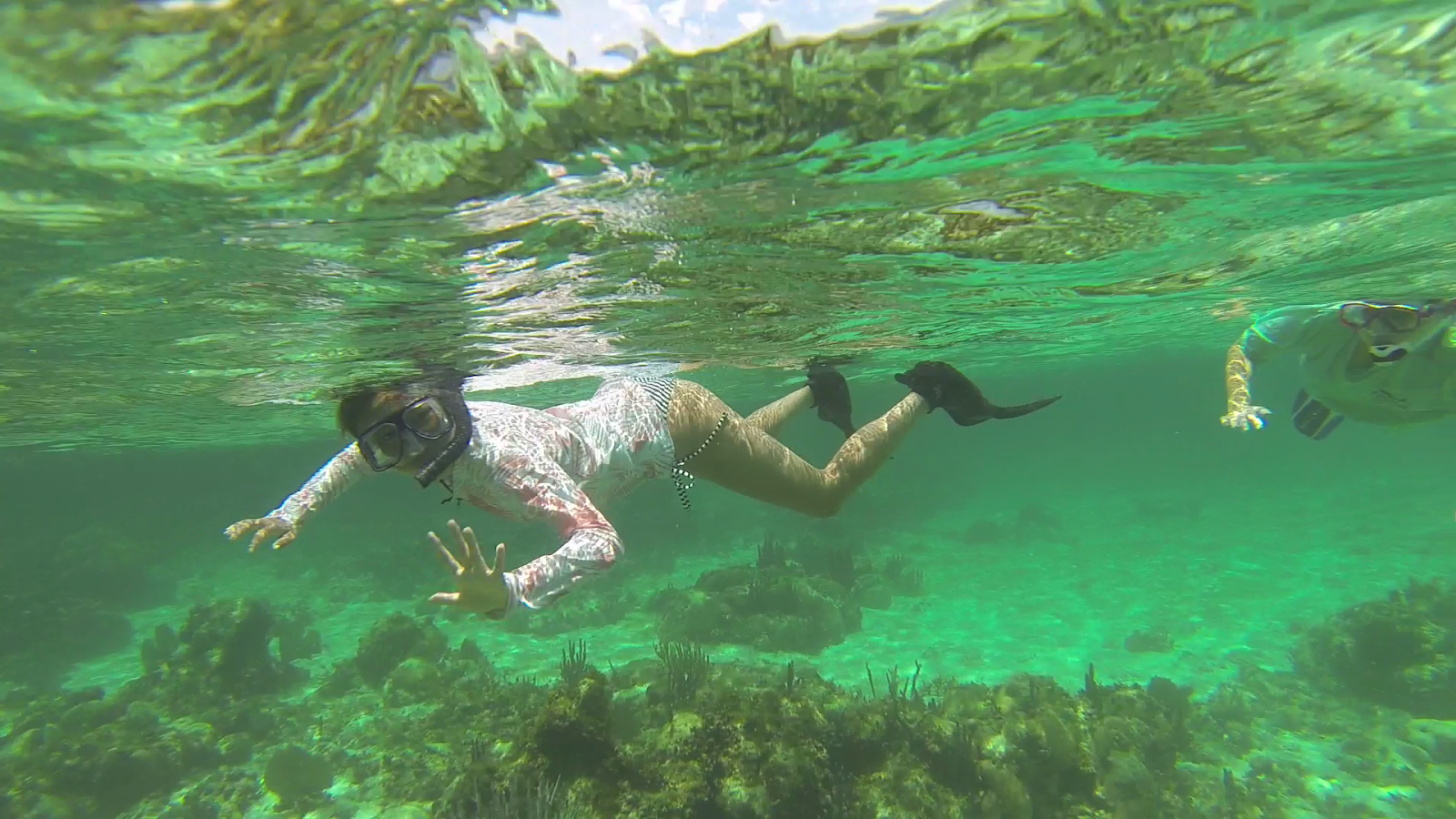
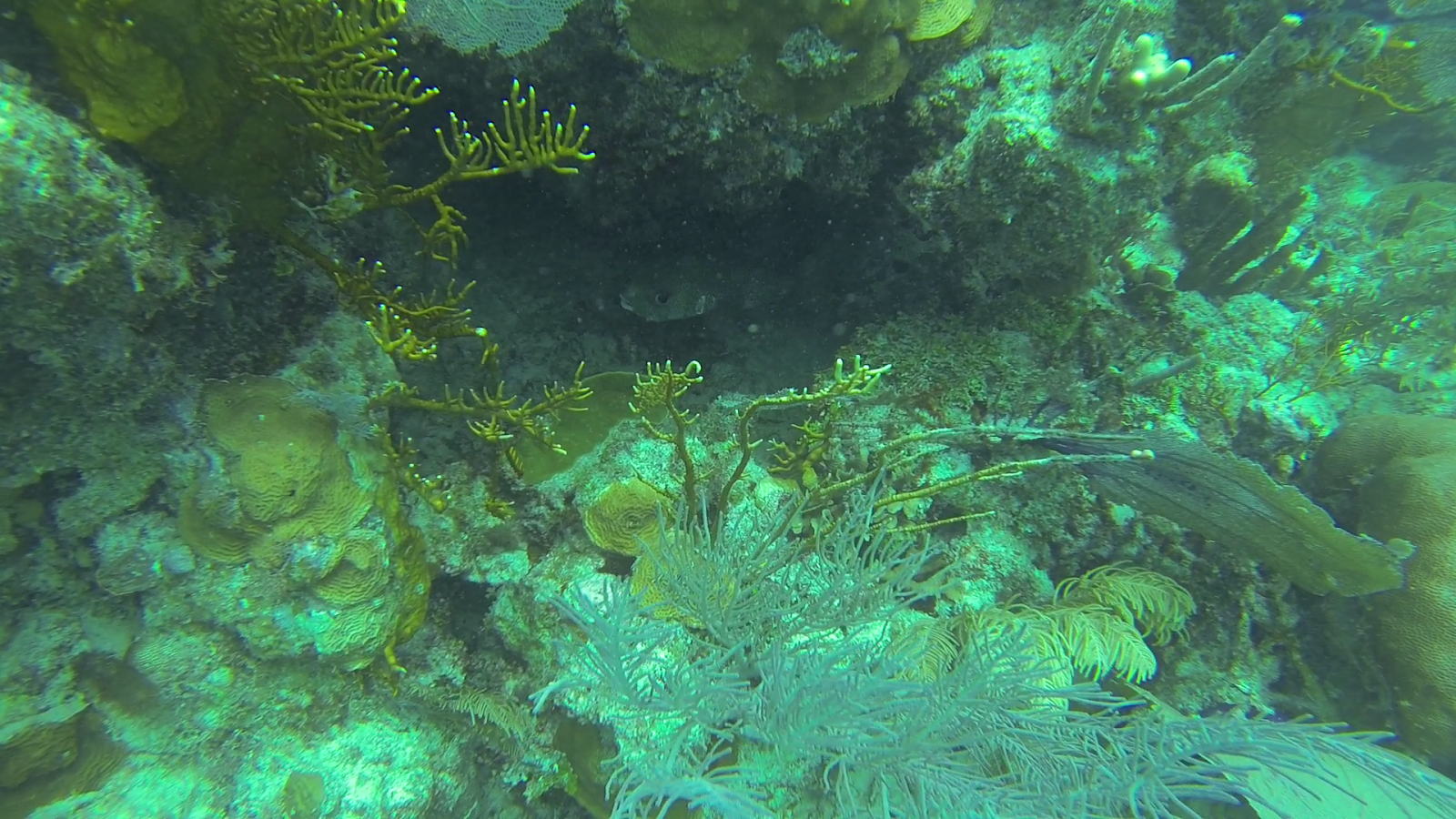
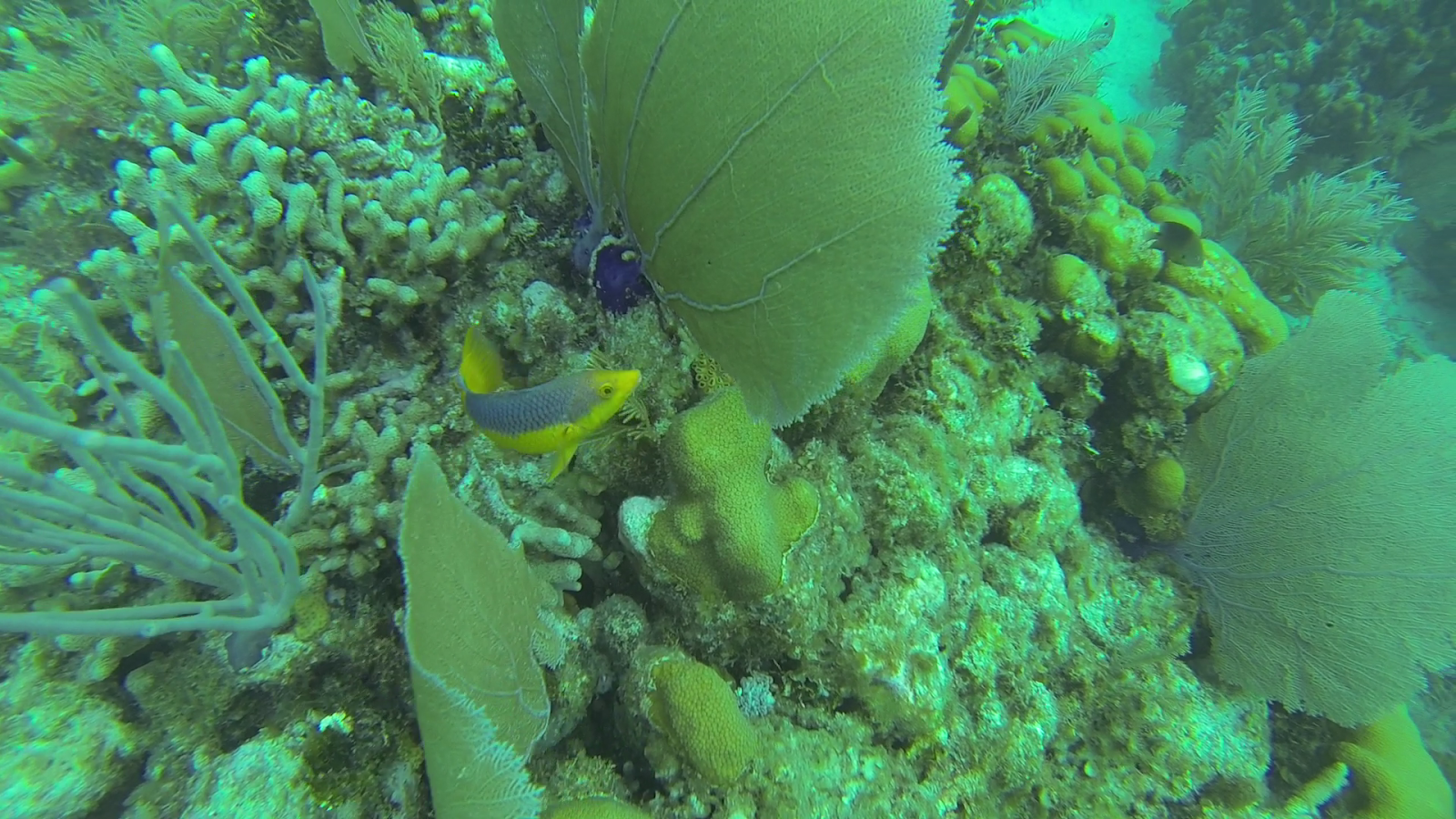
The reef was full of life in every crook and cranny, no matter where you were there was always some creature lurking about, waiting to be discovered…Or trying not to be.
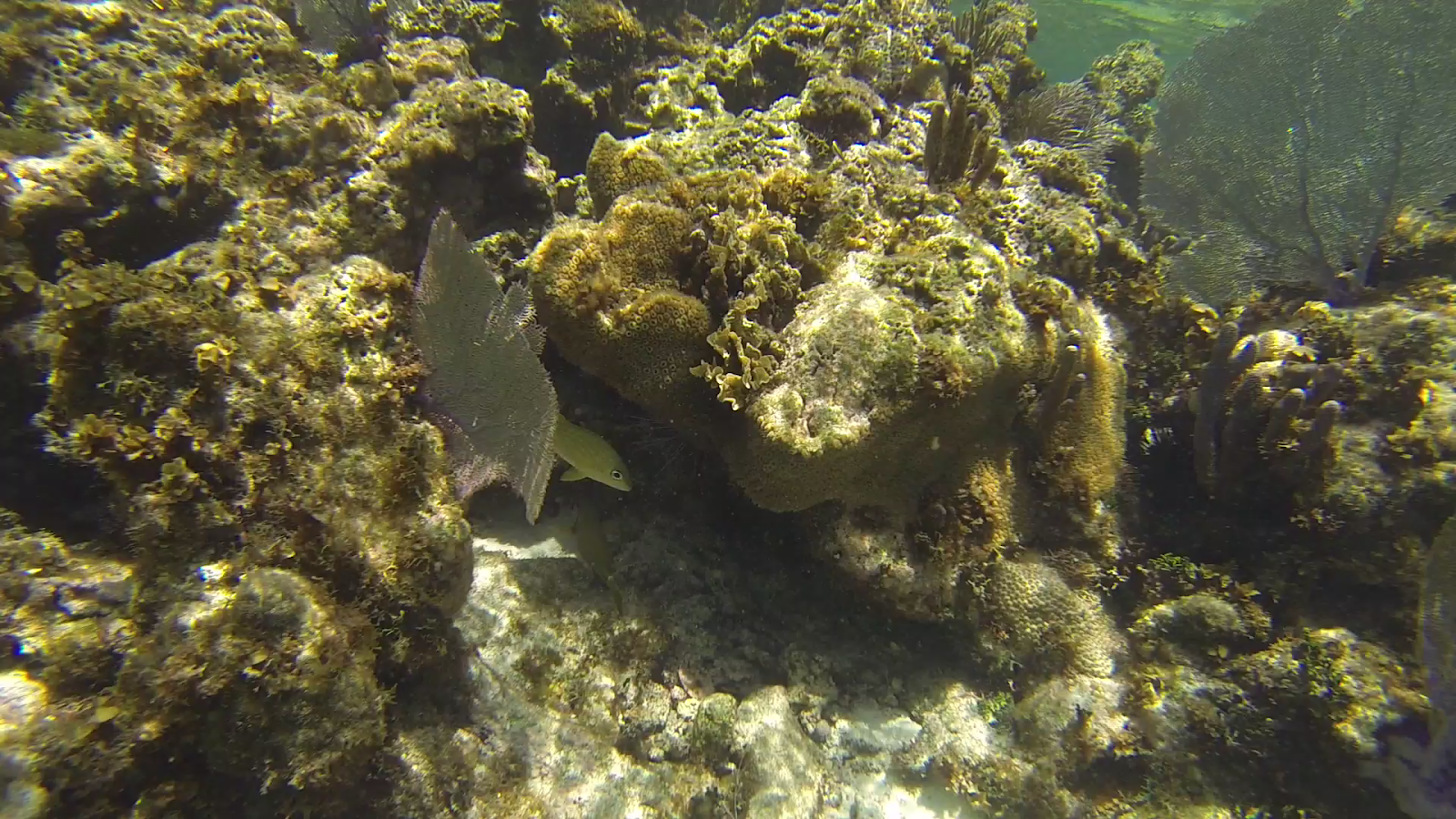
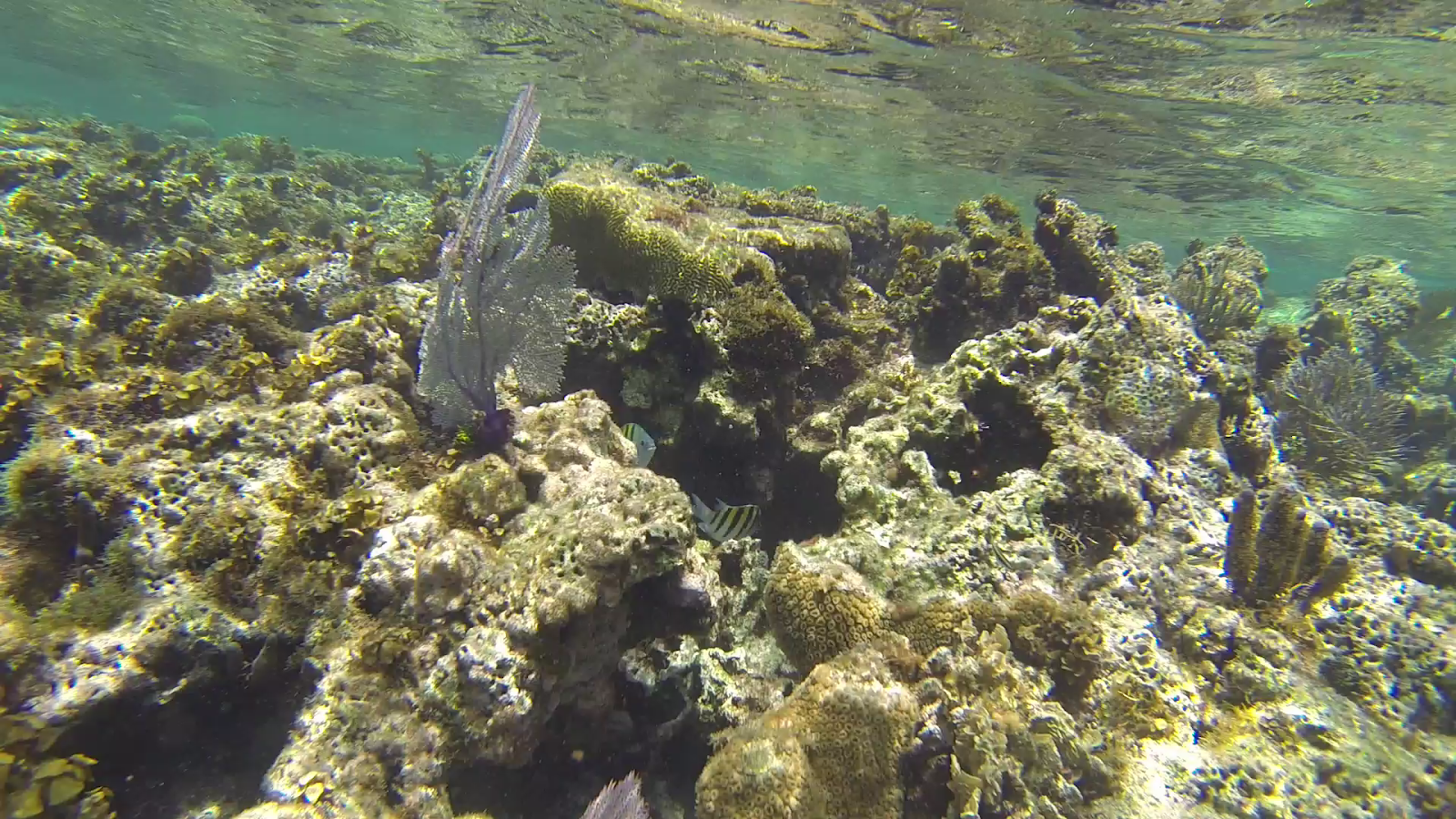
The most common fish in our survey sites were parrotfish, damselfish and grunts and snappers. Parrotfish and Damselfish are especially critical to the reef since they help maintain the reef by eating algae or dead coral making room for the reef to keep growing.
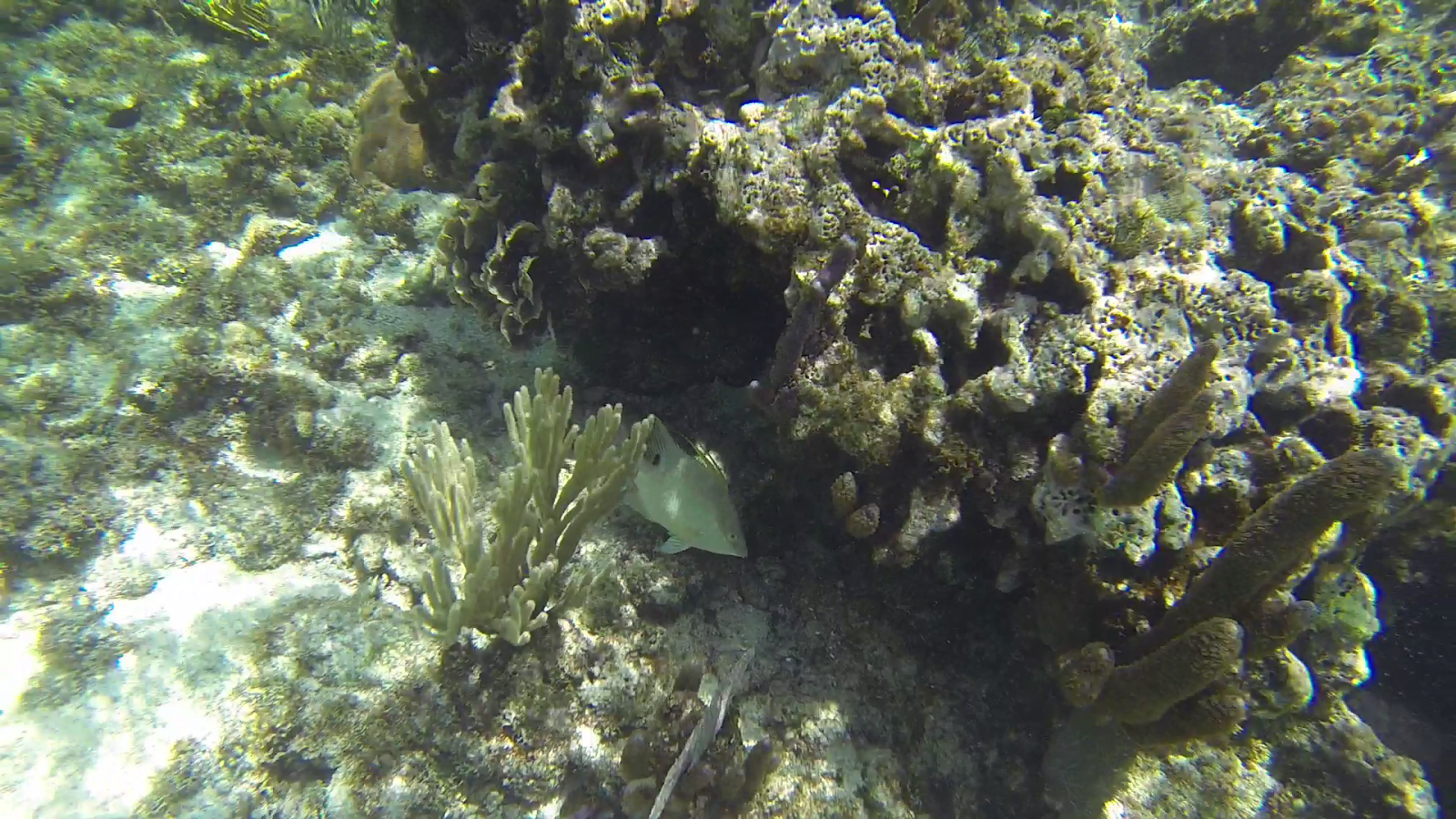
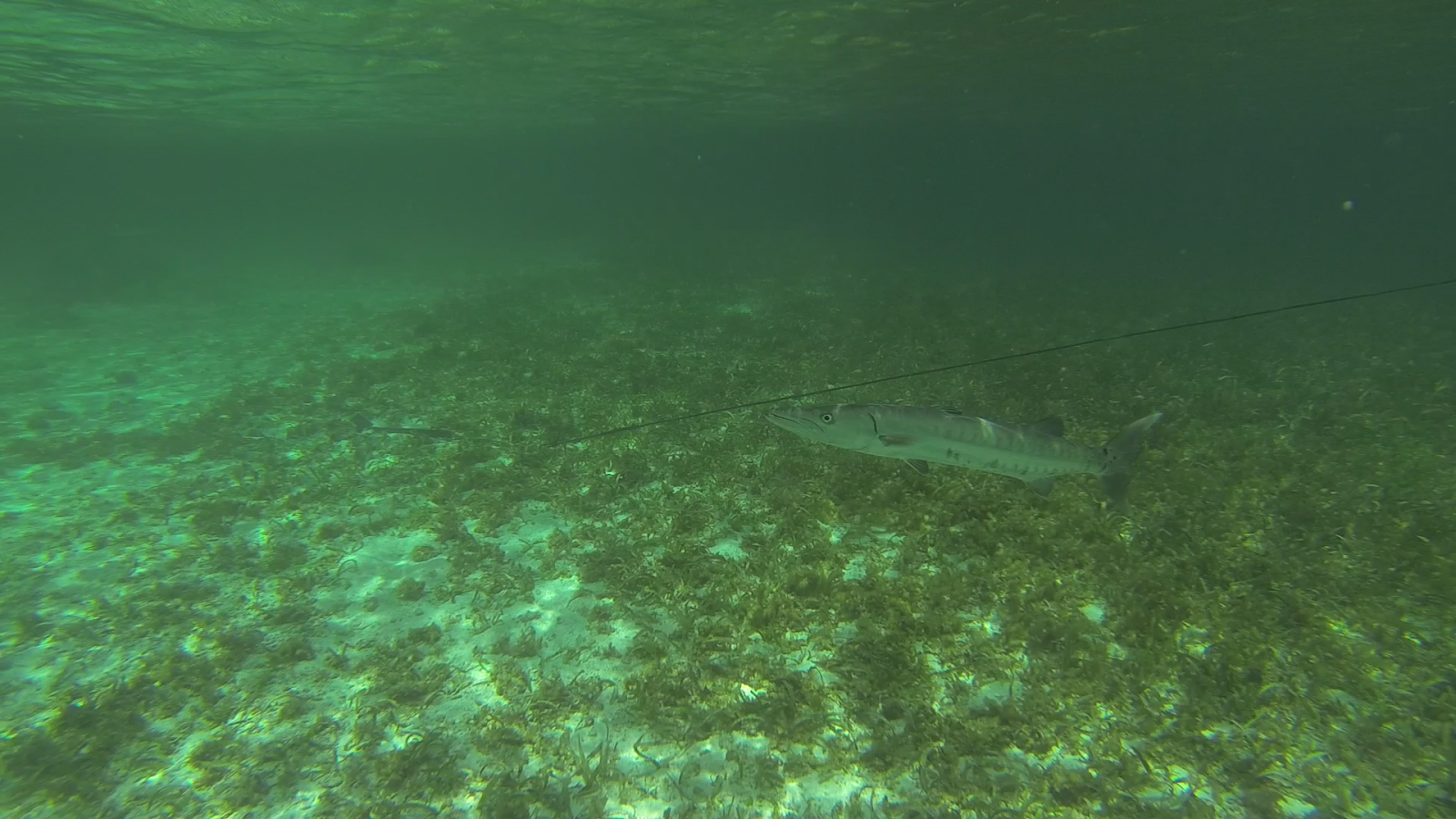
This last site was my absolute favorite to dive. It was called the Island due to the way the reef formed in a very concentrated area that was surrounded by sand on all sides. The fish there were always incredible and the site had a resident green moray eel and scrawled file fish both which were always fun to watch.
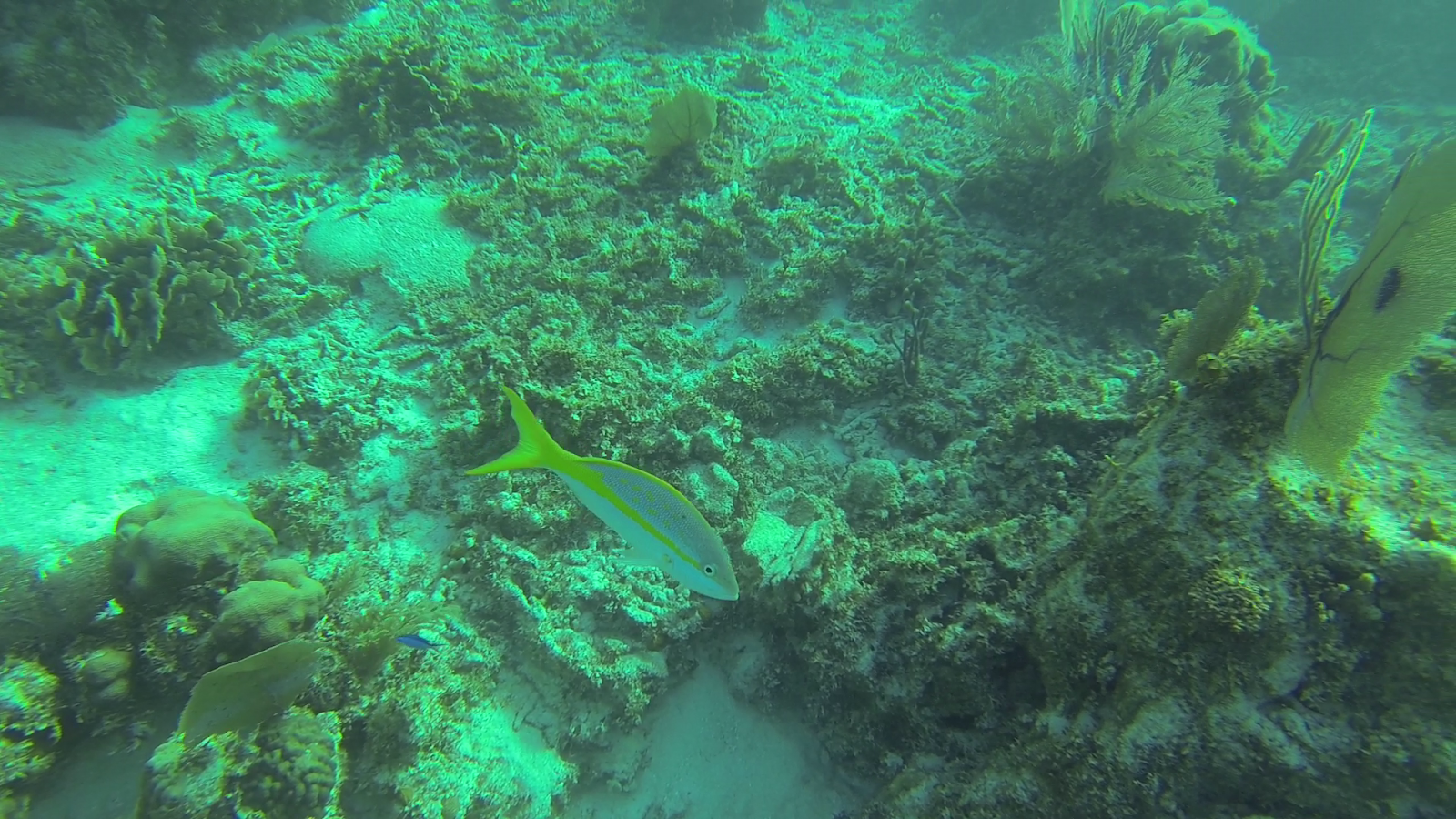
Fish surveys were just the first of many kinds of surveys and activities I would get be apart of in the coming weeks. Up next: Coral colonies!
Thanks for reading, and always, rock on.
-Natalie
 Where in the World is Natalie